Controller vs CPA AlternativeWhat we read after the month is closed
We close the books first. Then we prepare the return and the plan from those finished books, and we leave the month as it was.
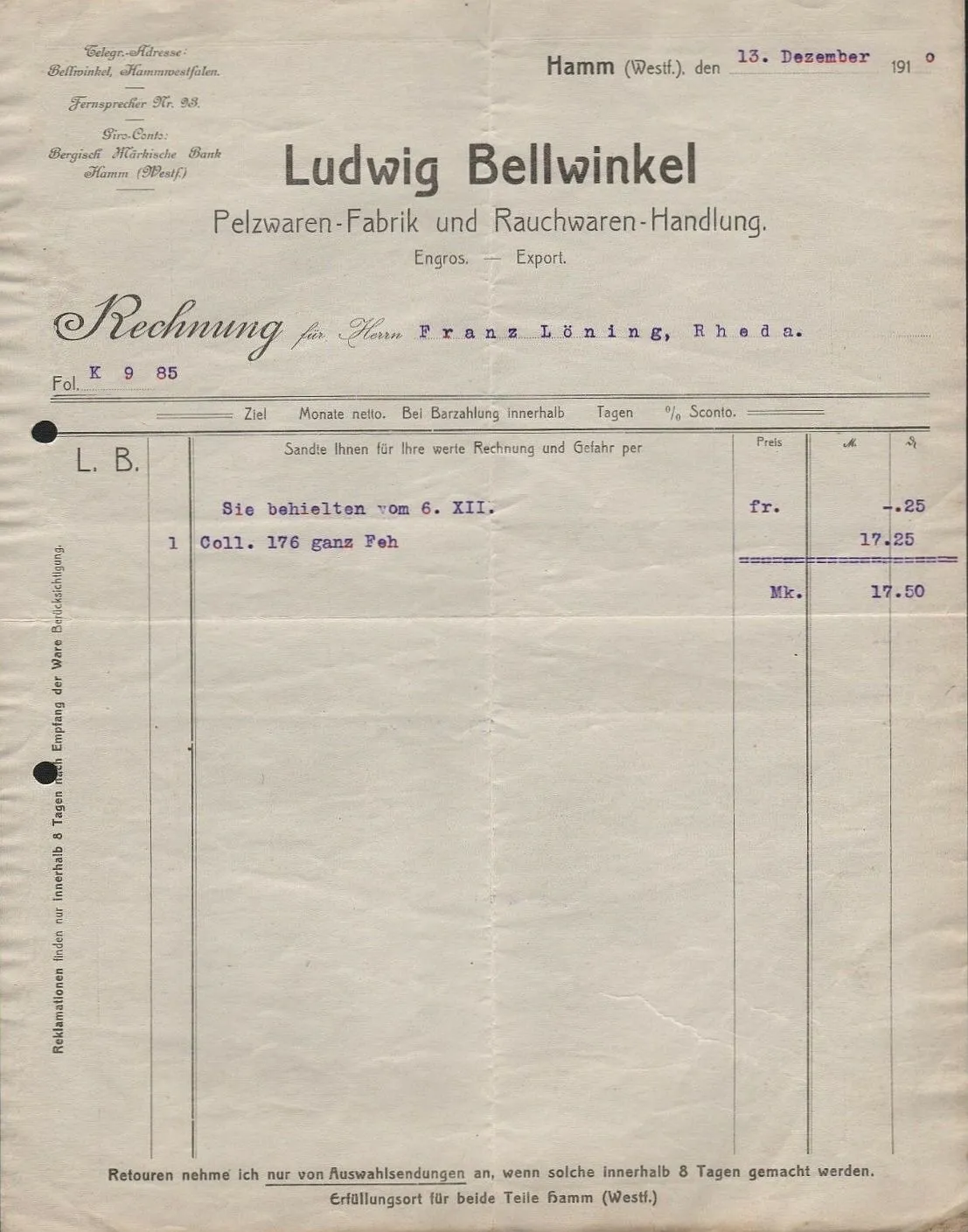
The return uses the closed books
We close the books before anyone prepares the return. The return uses those finished books. We leave a month the bank already matched as it was.
The photograph is an invoice with one line and a total. The return starts only after the books have a date. A return that needs a different total asks a question. We do not go back into the closed month and change a cleared deposit so the total looks rounder.
If a real error is in the closed month, both people see it. The correction is dated. The original bank match stays visible. That is different from a quiet rewrite, and the difference is the whole point of the handoff. A reader in a later month can see what the close said and what the correction changed.
What the return is allowed to do
Once a month is closed, the return may add the months up, apply a rule that belongs on the form, and ask the owner a question the close could not answer. It may not change a cleared deposit so the total looks rounder. It may not move a draw into expenses because a line on the form felt short. Elections that are still open belong to the return. Rows that already tied to the bank belong to the close.
The same limit sits on any look ahead. After the date is on the month, the owner may sketch the coming weeks on a sheet only the owner edits. That sketch stays off the return. We will not bless it, and we will not announce a magic runway for the bank balance.
Where the sketch and the dated month pull apart, the owner chooses which pull is worth a change. We carry the closed months into that talk. We do not rebuild a month so the pull looks smaller on the page.
The plan while the year can still move
October is the month on our list where a choice about equipment or an estimate can still change the year. Those finished months are what we carry into that October talk. The owner decides. The decision is written on one page so November does not inherit a fog. A decision that lives only in a call is how two people later remember two different years.
December then locks the last month once the bank, the drafts, and the draws agree. A later return reads that lock. It does not open a second lap through March because a form would prefer a rounder figure. January is the month we refuse to start the return while the prior year still sits in two files.
The photograph is that invoice, with one line and a total. Bring the closed month. We will say what it already supports, and we will say what is still a question.
We close the books first. The return reads those finished books and leaves them as they were.