Controller vs CPA AlternativeFederal dates that have to use the closed month
A filing is a reader of the close. If the close is unfinished, the filing waits or the first conversation says so.
Estimated payments want the closed revenue
For a calendar-year owner, the federal estimated payments generally fall in April, June, September, and January. The January payment belongs to the prior year. Each one should be computed from months that already closed, not from a second stack of scratch figures that the close never saw. If the payment and the closed revenue disagree, the disagreement is a finding. We would rather delay a conversation than invent a match the night before the payment leaves.
May, on the home page list, is the month we often use to show the habit. The payment that month wants the revenue the close already settled. We carry that figure forward. We do not reopen March to force the worksheet to look like the payment. A worksheet is a reader. The month is the source.
Safe harbors and penalty rules live on the form instructions for the year you are in. We do not print a dollar threshold from an old revision and call it current. If a threshold matters, we open the current instruction with you and we write the choice down. The closed months stay closed while that choice is made.
January information returns
January is also when wage statements and many contractor information returns have to leave. Those forms need names, amounts, and a year that is no longer sitting in two files. We ask for one closed file before that work starts. A wage that was a draw, or a draw that was booked as a wage, is fixed as a dated correction with the original row still visible. It is not fixed by retyping history until the form looks tidy.
The contractor form and the wage form are different readers of the same closed year. They should not invent payees the close does not have, and they should not drop a payee because the total would look simpler. Supporting papers are the slips, the invoices, the receipts, the deposit slips, and the canceled checks that belong to that closed year. A name on a form without a paper under it is a question, not a line we will guess.
If the books are still open in January, the first conversation says so. Close the year, or wait. Those are the two options. We do not narrate an open year as if the bank had already agreed.
The dates do not reopen the month
A due date tells us to read the close. Changing the close because a date showed up is the move we skip. The twentieth of a following month, a quarterly estimate, and a January information return can all be true at once and still share one set of months. When two drafts of the same sales appear, we match both to the closed month. We do not open the month to force the drafts to match each other.
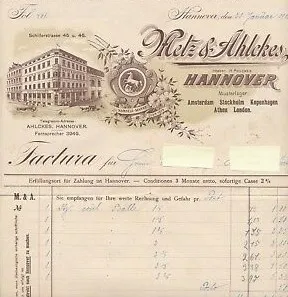
Owners who also file in one state, with rates and report dates that belong to that state, have a separate page. The national pages stay with the federal dates and the closed month. A method already chosen for the books stays the method. Cash and accrual are not swapped because one form would prefer the other total. The photograph on this page is a factory invoice with columns of prices. The forms still go out. The month they describe stays closed.
Point at the latest month you would let a stranger read. We will say which of these dates can already be read from it, and which dates have to wait.
We close the books first. The return reads those finished books and leaves them as they were.