Controller vs CPA AlternativeWhat a finished month contains
A month is finished when the bank, the cards, the open bills, and the books tell the same story and someone writes the date.
The loop we actually run
Each month we match the bank feed to the books. What did not clear is listed with a reason, not buried in a suspense row that nobody owns. The sales draft is tied to the sales in that same month. Draws keep a row of their own, so a draw is never booked as if it were an expense. The date goes on the month when those four things agree.
That loop is the close. It is also the file the return will read later. A number that cannot survive this loop does not get a smoother sentence on a form. It gets a question back to the owner while the month is still the month. The habit is the same one a careful owner already knows. Match the statement to the books every month, and write down the charges, the deposits the statement has not caught, and the checks still outstanding.
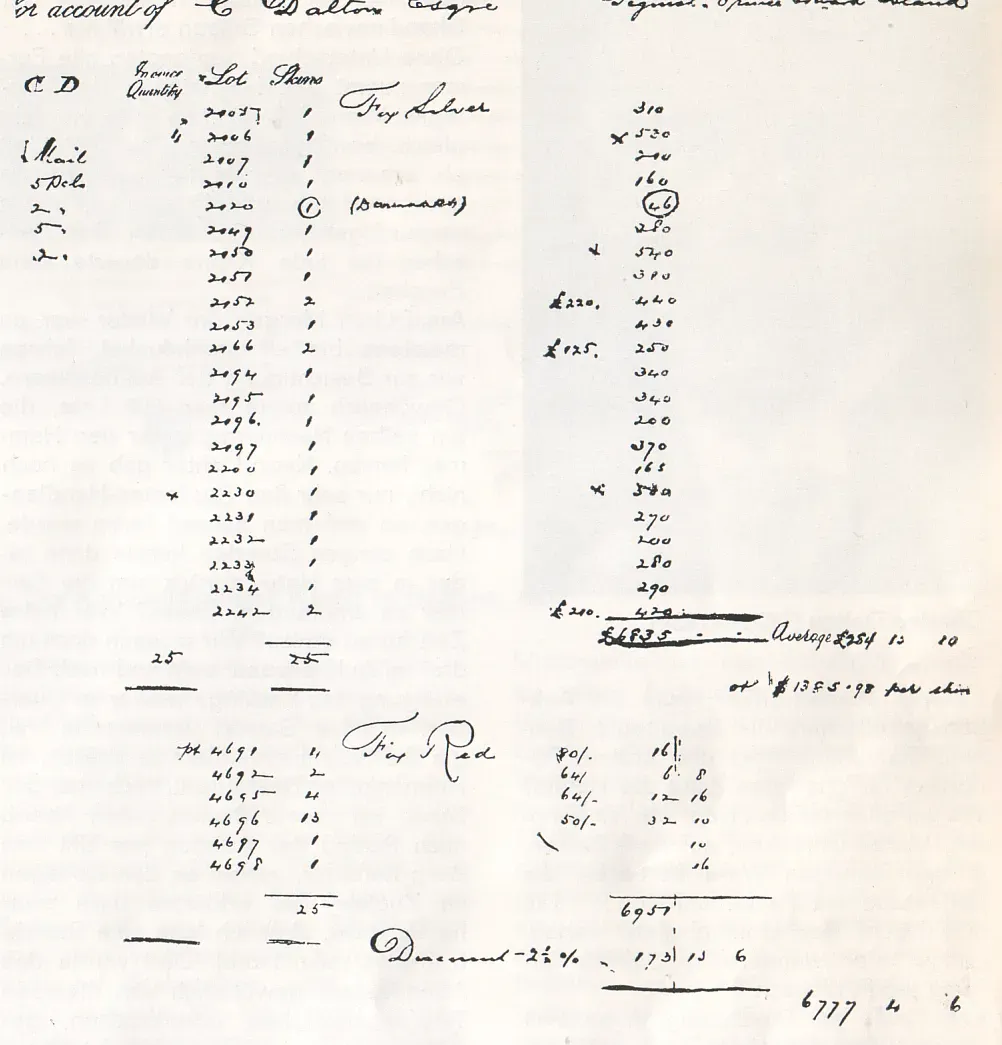
The photograph is an account of a sale, with quantities and prices written in columns. A month without a date is still a draft. The open red binder on the home page stands for the closed month. This page is where the date goes on the account.
Open items are allowed to stay open
An uncleared check is still a fact. Writing it off to make the month look neat is how two versions begin. We would rather hand the return a short list of open items than a month that pretends to be finished. The list has a reason on each line. A reason can be as small as waiting on a bank copy. A missing reason is how the line gets edited by whoever opens the file next.
The return owes the close the same honesty. If the return later finds that a deposit was income in a different period, the finding is written down. The closed month is not edited in silence. Both people can see the change, and the date of the change sits beside it. The correction is dated. The original bank match stays visible.
A green badge in the software does not replace that written comparison. We compare the statement ending balance with the register balance at the statement date. If a later edit changed the register, the badge can lie. The comparison is the test. Equal means the period held. Different means it is open again until the difference has a written home.
Payday stays with the provider
We set a payroll provider up when the owner wants payday running. After that setup, the owner runs payday with the provider. A wage posted in the closed month is a wage. A draw posted in the same month is a draw. August is often when those two rows get confused, which is why the month list on the home calls August out by name.
We do not run payday, and we do not take the provider's job back in order to tidy a quarter. Setup is the work. The ongoing run belongs with the provider the owner chose. A wage that was accrued and a wage that was paid are not the same row either, and the method the company already uses is the method the close keeps. We do not swap methods in the middle of a month to force a draft to match.
Bills the company still owes, and invoices customers still owe the company, stay written on their own lists. On a method that counts them when they arise, the lists belong inside the finished month. On a method that counts cash, the lists are a memo beside the month. Either way the next month should not meet them as a surprise, and the owner should not have to ask which screen is the current one.
We close the books first. The return reads those finished books and leaves them as they were.